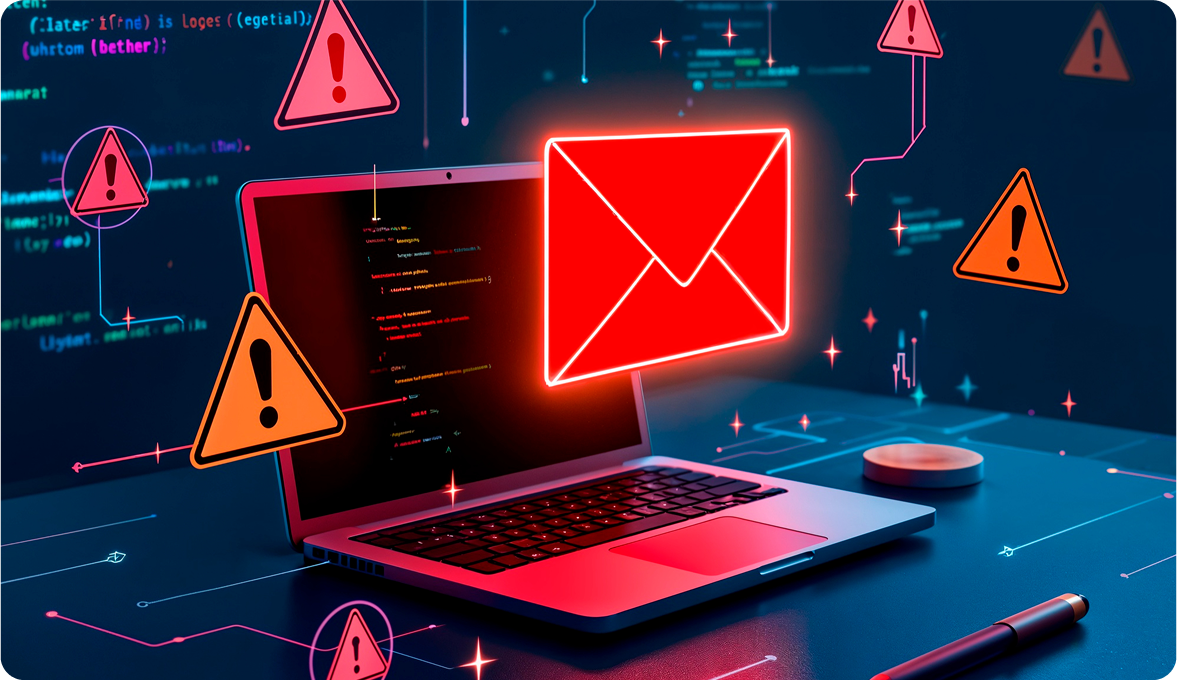
In today’s digitally driven world, cybercriminals are constantly finding new ways to trick people into giving up sensitive information. One of the most common and dangerous tactics is phishing. This form of internet fraud preys on unsuspecting users by pretending to be legitimate sources, such as banks, social media platforms, or trusted companies. The goal is simple: to steal your personal data, passwords, credit card numbers, or even your identity. In this article, we’ll explore what phishing is, how it works, and the best practices for phishing prevention.
What is Phishing?
Phishing is a type of cyberattack that uses deceptive emails, websites, or messages to trick people into revealing personal or financial information. These messages often look strikingly similar to official communications from trusted organizations, making it difficult for even the tech-savvy to distinguish between real and fake.
Phishing emails might urge you to reset your password due to a security issue, ask you to verify your account, or notify you of a large transaction you didn’t make. These tactics create urgency and fear, prompting you to act quickly—without thinking.
How Phishing Works
Phishing attacks typically begin with a fraudulent email or message. Here’s how the scam unfolds:
- Deceptive Email: You receive a message that appears to be from a credible source.
- Malicious Link: The email includes a link that leads to a fake website.
- Information Theft: You’re prompted to enter sensitive information, which is then captured by cybercriminals.
Some advanced phishing attacks even involve malware, which can silently install itself on your device and collect data over time.
Common Types of Phishing Scams
- Email Scams: The most common form, where attackers impersonate banks, government agencies, or popular services.
- Spear Phishing: A targeted attack on specific individuals or organizations, often using personalized information.
- Smishing and Vishing: Phishing via SMS (smishing) or voice calls (vishing), posing as customer support or delivery services.
- Clone Phishing: Duplicate versions of legitimate emails that trick you into clicking malicious links.
Warning Signs of Phishing Attempts
To avoid phishing, it’s essential to recognize the red flags:
- Suspicious sender email address
- Misspellings and grammatical errors
- Unusual urgency or threats
- Requests for personal or financial information
- Generic greetings like “Dear User” instead of your name
- Unexpected attachments or links
Always pause and verify before clicking on links or providing any sensitive data.
Consequences of Falling for Phishing
Falling for a phishing scam can have serious consequences:
- Identity Theft: Your personal details can be used to open bank accounts or commit fraud.
- Financial Loss: Credit card and banking details can lead to unauthorized transactions.
- Data Breach: If you’re an employee, phishing can compromise your organization’s cybersecurity.
These outcomes can be devastating and time-consuming to resolve.
Phishing Prevention Tips
Protect yourself from online scams with these cybersecurity best practices:
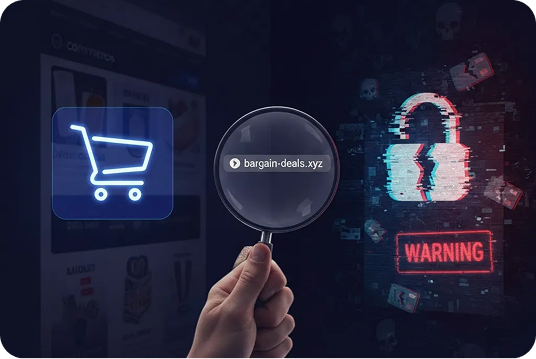
- Verify Links and Senders: Hover over links to check their destination, and confirm sender email addresses.
- Use Strong Passwords: Employ unique, complex passwords for each account.
- Enable Two-Factor Authentication (2FA): This adds an extra layer of security.
- Update Software Regularly: Ensure your operating system, browser, and antivirus are up to date.
- Educate Yourself: Stay informed about the latest phishing techniques and threats.
- Report Suspicious Emails: Alert your email provider or IT department if something seems off.
Business-Level Protection
Organizations must implement robust cybersecurity protocols to defend against phishing. Training employees to recognize scams, using advanced email filters, and simulating phishing attacks for practice can greatly reduce the risk. Cybersecurity threats evolve, so continuous awareness is key.
Final Thoughts
Phishing is a prevalent and evolving form of internet fraud. While attackers grow more sophisticated, so too must our vigilance. By recognizing phishing attempts, educating ourselves and others, and using strong cybersecurity practices, we can avoid phishing and stay safe online. Don’t get hooked—stay alert, stay secure.
If you’re looking to fortify your online presence and avoid phishing, make cybersecurity a top priority today.