Why You Can’t Put the Phone Down: How Social Media Algorithms Hack Your Brain
Last week, I watched my cousin Rami unlock his phone “just to reply to a message.”
Thirty minutes later, he was still scrolling through videos of cooking hacks, gym fails, and baby goats doing yoga.
When he finally looked up, he laughed and said:
“How did I end up here?”
If you’ve ever had that moment, you’re not alone.
And no, you’re not weak.
You’re not lazy.
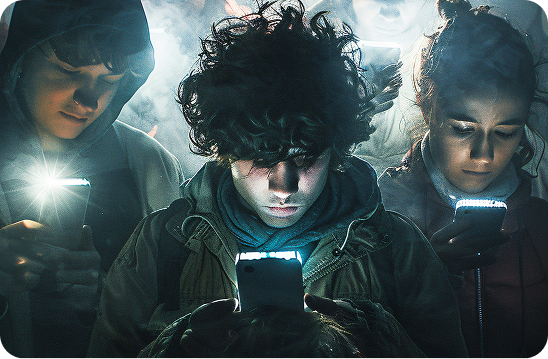
Your brain is being expertly manipulated by social media algorithms designed to keep you glued to your screen.
Let’s break down why social media is addictive in simple, human language.
What Social Media Algorithms Really Do
Imagine walking into a mall where every shop instantly knows what you like.
Social media works the same way.
These platforms track:
- What you watch
- What you like
- What you pause on
- What you share
- Even what you almost click on
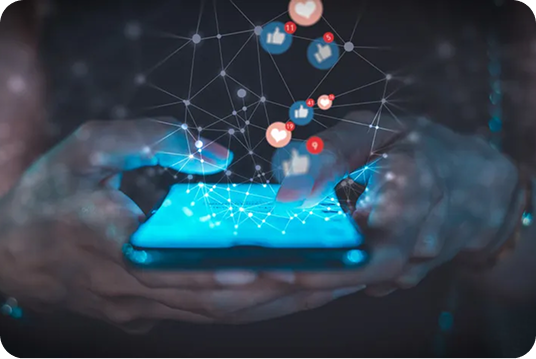
Then they build a personalized stream of algorithm driven content made to keep you scrolling.
Their goal?
Not to show you what you need
but to show you what will keep you watching the longest.
How Social Media Hacks Your Brain (Without You Noticing)
Let’s compare this to something familiar.
Dopamine: The Brain’s “Feel Good” Signal
Every like, comment, notification, or funny video gives you a tiny dopamine hit.
It feels good, so your brain wants more.
This is the same chemical involved in:
- Eating chocolate
- Winning a game
- Gambling
- Falling in love
Social media gives you small hits over and over, which is why we can’t stop scrolling.
This is the core behind social media brain effects:
Your brain gets trained to crave the next hit.
A Real Conversation That Says Everything
Maya: “I’m just checking Instagram for two minutes.”
Me: “It’s been 40 minutes.”
Maya: “What?! No way.”
Social media isn’t stealing your time.
You’re giving it, because your brain is being rewarded for staying.
Why Social Media Is Addictive (In Simple Words)
- Unpredictability
You never know what’s next.
This “maybe the next one will be even better” feeling keeps you hooked.
- Endless Content
There is no “end of the page.”
Your brain never gets a signal to stop.
- Personalization
Your feed is crafted just for you.
Your friend sees something different, even if you’re sitting next to each other.
- Social Validation
Likes and comments act like digital applause.
Your brain loves it.
- Quick Rewards
Short videos, fast dopamine, no effort required.
This is the psychology of social media:
short, constant rewards that quietly train your brain.
Effects of Social Media on the Brain
Too much of these dopamine spikes can lead to:
- Reduced attention span
- Sleep issues
- Anxiety
- Constant comparison with others
- Difficulty focusing on real-life tasks
Your brain becomes wired for fast content, making real life feel… slow.
So How Do We Take Control Again?
The goal isn’t to quit social media.
It’s to make it work for you, not against you.
- Turn off non-essential notifications
No need for dopamine “pings” every five minutes.
- Set time limits
Your phone can remind you when you’ve had enough.
- Don’t open your phone without a purpose
Ask:
“What am I opening this app for?”
If you don’t have an answer, don’t open it.
- Keep your phone out of reach during important tasks
Out of sight = out of mind.
- Follow creators who inspire you
The algorithm learns from your behavior.
Final Thoughts
You’re not addicted because you’re weak, you’re addicted because social media is scientifically designed to keep you scrolling.
Once you understand how dopamine and social media interact, and how social media algorithms shape every swipe, you begin to take back control.
Your attention is valuable.
Don’t let an app decide how to spend it.