The Spy in Your Living Room: Is Your Smart Home Too Smart?
Every morning, your home wakes up before you do.
The thermostat adjusts itself, the lights slowly brighten, your coffee machine starts humming, and your speaker cheerfully announces the weather, without you touching a single button.
It feels almost magical…
until you catch yourself wondering:
“If my home knows this much about me… what else does it know?”
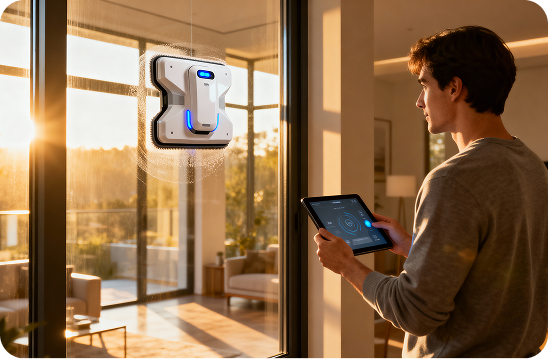
Welcome to the era where your doorbell recognizes faces, your vacuum maps out your house, and your TV watches you just as much as you watch it.
Smart homes promise comfort, but they also bring a new kind of worry:
smart home security and privacy.
So let’s break down the question everyone quietly wonders:
Are smart devices listening?
Your Smart Home Isn’t Passive—It’s Always Learning
Think about it.
Your fridge can track what you eat.
Your speaker knows your music tastes.
Your lights know when you’re home and when you’re not.
Individually, each device seems harmless.
Collectively, they form a detailed picture of your daily life.
Smart devices don’t just respond, they observe.
This is how they “get smarter.”
But it also means they gather data far more deeply than we realize.
Are Smart Devices Listening All the Time? Here’s the Real Answer
Not exactly.
But also… not exactly no.
Smart speakers and assistants don’t record everything, but their microphones are always on standby.
They constantly listen for the trigger phrase:
- “Alexa…”
- “Hey Google…”
- “Siri…”
Once they hear it, the last few seconds of audio are sent to the cloud for processing.
The problem?
They’re not perfect.
Devices sometimes mistake background sounds for commands and start recording without you noticing.
You’ve probably seen stories of:
- TV commercials accidentally waking smart speakers
- Devices misinterpreting conversations as commands
- Companies reviewing “accidental recordings” to improve accuracy
So yes!
The concern about smart home privacy isn’t paranoia.
It’s reality.
The Hidden Data You Don’t Realize You’re Giving Away
It’s not just microphones.
Smart devices collect:
- Your voice patterns
- Your daily schedule
- Which rooms you use the most
- Your shopping preferences
- Your entertainment habits
- Your location
- Your doorbell footage
- Your Wi-Fi usage patterns
This is how companies improve features and personalize your experience.
But it also means a security breach could expose truly intimate details of your life.
When people worry about smart home security, this is why.
A Different Kind of Vulnerability
Years ago, burglars used to look for an empty driveway or dark windows.
Now?
- Cybercriminals look for:
- Weak Wi-Fi passwords
- Outdated smart cameras
- Default device logins
- Unsecured smart locks
If someone gains access to your smart home network, they might not just see your data, they might see inside your home.
That’s the new risk of being “too smart.”
How to Protect Your Smart Home (Without Becoming a Tech Expert)
The good news:
You don’t need to unplug everything or live like it’s 1999.
A few simple habits go a long way.
- Change default passwords on new devices
“Admin123” won’t protect your house.
- Turn off microphones or cameras when not needed
Most devices have physical switches, use them.
- Update your devices regularly
Updates fix security holes you can’t see.
- Put smart devices on a separate Wi-Fi network
This keeps your main devices (like your phone and laptop) safer.
- Review what data your devices store
Disable things like voice recording history or cloud backups you don’t need.
- Place devices in non-sensitive areas
A smart speaker in the living room? Fine.
A smart camera in the bedroom? Think twice.
Final Thoughts: Convenience Shouldn’t Cost You Peace of Mind
Smart homes are incredible!
They save time, energy, and effort.
But convenience shouldn’t mean giving up your privacy.
You don’t need to fear your smart home.
You just need to understand it.
A home should feel safe, not watched.
And with a few smart decisions, yours will stay that way.