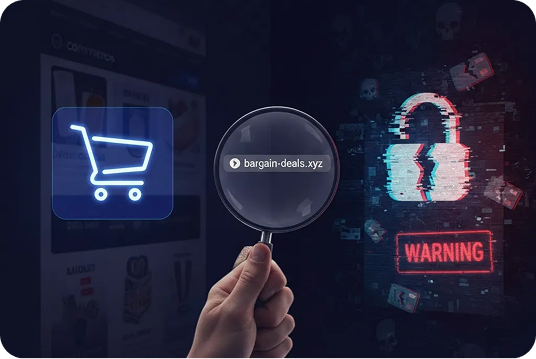
Online shopping has never been easier—but it has also never been riskier. As e-commerce continues to grow, fake online stores are becoming more convincing, more professional, and harder to detect. These fraudulent online stores are designed to look legitimate, lure shoppers with attractive deals, and disappear once your money is gone.
The good news? With a few careful checks, you can learn how to spot fake online stores before they cost you time, money, or personal data.
Why Fake Online Stores Exist
Fake e-commerce websites are built with one goal: fast profit. Scammers copy real brands, steal product images, and create professional-looking stores in a matter of hours. They rely on impulse buying, limited-time offers, and social media ads to trick users into paying quickly—before they have time to think.
This is one of the fastest-growing forms of online shopping scams, especially during sales seasons and holidays.
Key Warning Signs of Fake E-Commerce Websites
1. Deals That Look Too Good to Be True
If a product is selling for 70–90% less than everywhere else, stop. Deep discounts are one of the most common tactics used by fake e-commerce websites to attract victims quickly.
Legitimate stores may offer sales—but extreme discounts across the entire website are a red flag.
2. No Real Contact Information
Trustworthy stores provide:
- A real business address
- A working customer support email
- A phone number or live chat
Fraudulent online stores often hide behind generic contact forms or list fake addresses. If you can’t easily contact the seller, don’t buy.
3. Suspicious Website Domain
Pay close attention to the website URL:
- Misspelled brand names
- Extra words like “-shop”, “-sale”, or “-official”
- Unusual domain endings
Scammers frequently register domains that look similar to real brands to confuse shoppers who aren’t paying close attention.
4. Fake or Stolen Reviews
Many scam websites display hundreds of five-star reviews—but look closer:
- All reviews sound similar
- No negative feedback at all
- No external reviews on Google or Trustpilot
A quick search of the store name + “reviews” can help you identify scam websites before checking out.
5. Limited or Unsafe Payment Options
Legitimate stores usually offer secure payment methods like credit cards or trusted payment gateways. Fake stores often push:
- Bank transfers
- Cryptocurrency
- Direct payment links
Avoid stores that don’t offer buyer protection—this is essential for ecommerce fraud prevention.
6. Poor Website Quality and Errors
Many fake online stores rush their setup. Look for:
- Broken pages
- Poor grammar or spelling
- Inconsistent branding
These details may seem minor, but they are common signs of scam operations.
How to Protect Yourself from Online Shopping Scams
- Always research a store before buying
- Use a credit card instead of a debit card
- Avoid clicking on ads that lead to unknown stores
- Check the website’s age using domain lookup tools
- Trust your instincts—if something feels off, it probably is
Learning how to identify scam websites is one of the best ways to protect yourself while shopping online.
Final Thoughts
Fake online stores are getting smarter, but so can you. By slowing down, checking key details, and staying informed, you can avoid fake online stores and shop with confidence.
Smart online shopping isn’t about finding the cheapest deal—it’s about buying safely.