Imagine this for a moment. You receive a message that reads:
“Your account will be locked in 10 minutes. Click here to verify.”
Your heart skips a beat. Your mind races. You don’t think, you click.
No viruses. No complicated hacking tools. No broken code.
Just a simple human reaction.
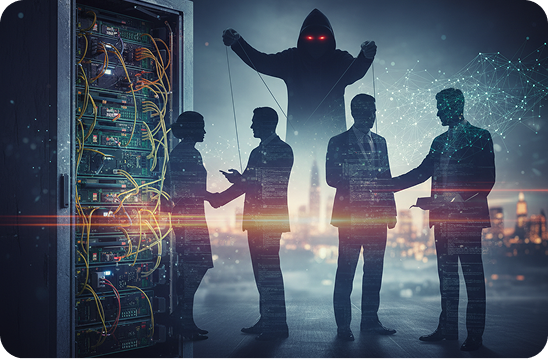
And that’s exactly why hackers often target people first, not computers.
What Is Social Engineering?
In plain English, social engineering is the art of tricking people into giving up information or access. Hackers don’t always start by trying to break into systems directly. Instead, they rely on something far simpler, and far more powerful, your natural human instincts.
There’s no suspicious software, no cryptic errors, and often no technical expertise required. All it takes is clever manipulation, exploiting basic human tendencies like trust, fear, curiosity, urgency, and respect for authority.
Social engineering attacks are designed to press the buttons humans are born with. They don’t exploit software flaws, they exploit human behavior.
Why These Attacks Work So Well
Think about it: humans are inherently helpful and reactive. We want to respond quickly. We don’t want to get in trouble. We trust messages that “look official,” and we panic when something feels urgent.
Unlike computers, humans have no built-in firewalls. We can be coaxed, rushed, or pressured into taking actions we normally wouldn’t consider. Hackers know this, and they exploit it.
It’s not a lack of intelligence or care, it’s simply that social engineering attacks are crafted to make ordinary reactions seem like the only sensible response.
Real-Life Social Engineering You’ve Probably Seen
You don’t need to work in tech to encounter social engineering. Many people have already experienced it without realizing it. Consider a few common scenarios.
One classic example is the “bank alert” message. You receive a text claiming there’s suspicious activity on your account and that you need to confirm your details immediately. It looks official, sounds serious, and even includes logos or formatting that mimic your bank’s real communications. But once you click, your data can be stolen.
Then there’s the “boss email” scenario. You get an urgent email that appears to be from your manager, asking you to buy gift cards or transfer money right away. It preys on respect for authority and a reluctance to question instructions. People comply, often without hesitation, because refusing feels uncomfortable.
Another familiar example is the “free prize” trick. You’re told you’ve won something exciting and all you need to do is confirm your personal details. Nothing comes free in these cases, except the lesson you learn after the fact.
These attacks might seem small or obvious in hindsight, but they succeed precisely because they mimic the pressures and urgencies of real life.
Why Social Engineering Is a Cybersecurity Problem
Many people assume cybersecurity is all about strong passwords, antivirus programs, and firewalls. While these are important, they aren’t enough on their own. Even the most secure systems can be compromised if someone is tricked into clicking a link, sharing a password, or trusting the wrong message.
Social engineering reminds us that technology alone can’t protect us. Humans are a key part of the security system, whether we realize it or not. And because hackers know this, social engineering attacks are increasing year after year.
How to Protect Yourself
The good news is that preventing social engineering doesn’t require technical expertise. It’s about developing habits and awareness. The first step is to pause before reacting. Urgency is often the biggest red flag. Take a moment to verify the source, call the bank, check the official website, or confirm with a colleague.
Question authority, even if the message appears to come from someone you trust. Never share sensitive information over email or text. Legitimate organizations rarely, if ever, request passwords, account details, or verification codes through these channels. And most importantly, trust your instincts. If something feels off, it probably is.
These simple habits, patience, verification, and a little skepticism, are far more effective than any software update in keeping your data safe.
The Big Takeaway
Hackers don’t always need to “break in.” All they need is for you to click, reply, or share. That’s why understanding social engineering is essential for everyone, not just IT teams.
In today’s digital world, you are part of the security system. Awareness, caution, and a healthy dose of skepticism are your strongest defenses. No firewall, antivirus, or password manager can replace the simple act of thinking before you click.
By learning how social engineering works and recognizing the common tactics, you can stop attackers in their tracks, not through technology, but through your own vigilance. In the battle between hackers and humans, awareness is your most powerful weapon.