It starts with a gentle buzz on your wrist. A little dopamine hit. You’ve done it. You’ve closed your rings, hit your 10,000 steps, or achieved an “Optimal” sleep score. It feels good. It feels productive. For millions of us, strapping on an Apple Watch, Fitbit, or Oura ring has become a modern ritual of self-improvement. We willingly strap surveillance devices to our bodies in the name of health.
But in the quiet moments between those celebratory notifications, a harder question demands to be asked. We give these devices an unprecedented look into our biological reality: our pulse, our exact location, our reproductive cycles, and our deepest sleep patterns. What are they giving us in return? A digital badge? A colorful graph?
The uncomfortable truth is that we are trading our most intimate secrets for gamified validation. While we focus on beating yesterday’s calorie burn, we often ignore the profound smartwatch privacy risks brewing in the background. It’s time to look past the shiny interface and understand the true cost of the quantified self.
Is Your Watch Reading Your Body or Your Secrets?
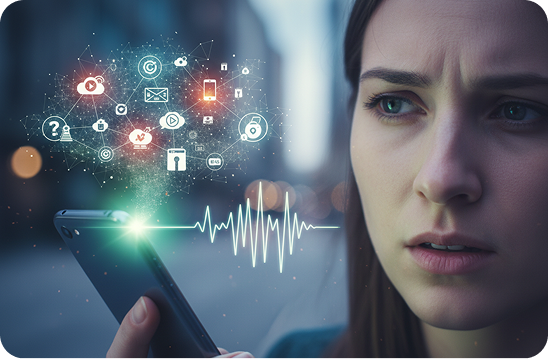
Most users naively believe their wearable is simply a high-tech pedometer. That view is dangerously outdated. Modern smart wearable data tracking goes far beyond counting steps; it is building a high-fidelity digital replica of your physiology.
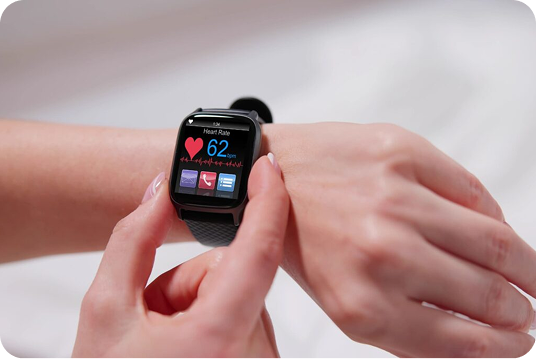
Consider what these sensors are actually recording. They aren’t just tracking movement; they are monitoring Heart Rate Variability (HRV), a key indicator of stress and nervous system recovery. They track blood oxygen levels. They map your exact GPS coordinates every second of your morning jog. Many track menstrual cycles and ovulation windows with startling accuracy.
Think of it this way: Your smartwatch likely knows you are getting sick a day or two before you feel the first symptom, purely based on subtle shifts in your resting heart rate and body temperature. It knows when you are stressed during a meeting with your boss. It knows when you are sleeping beside your partner, and when you aren’t.
This isn’t just data; it’s “digital DNA.” It creates a behavioral and biological profile so accurate that it could predict your future health outcomes better than your own doctor.
The HIPAA Myth: Why Your App Isn’t Your Doctor
There is a massive, dangerous misconception among everyday users regarding health app data privacy. Many assume that because these apps deal with medical-grade information, they are protected by strict medical privacy laws like HIPAA (in the US) or GDPR’s strict medical clauses (in Europe).
Let’s be crystal clear: They are not.
HIPAA applies to doctors, hospitals, and insurance companies. It does not apply to commercial fitness trackers or calorie-counting apps like MyFitnessPal or Strava. When you download that sleek new health app and mindlessly tap “I Agree” on the Terms of Service, you are stepping out of the protected realm of medicine and into the unregulated Wild West of consumer data mining.
You aren’t signing a doctor-patient confidentiality agreement; you are signing a contract that often grants the company broad rights to de-identify your data and share it with “partners,” “affiliates,” and researchers. In the data brokerage industry, “de-identified” is often a temporary state. With enough correlating data points (like location and timestamps) re-identifying you is frighteningly easy.
Follow the Money: Who Wants Your Biological Data?
If you aren’t paying for the product, you are the product. We know this about social media, but we forget it applies to the devices scanning our veins. Understanding how health apps collect data is only half the battle; understanding why is terrifying.
Currently, the primary use is targeted advertising. If your sleep tracker registers three nights of insomnia, don’t be surprised if your Instagram feed suddenly fills up with ads for expensive pillows, herbal sleep aids, or online therapy. They are targeting you at your most biologically vulnerable moments.
But the longer-term risks are more sinister. The ultimate fear among privacy advocates is the integration of this data into insurance and employment decisions. Imagine a future where your life insurance premiums are dynamically adjusted based on a year’s worth of sedentary activity data “voluntarily” shared from your wrist. Imagine being passed over for a high-stress job because your historical HRV data suggests you don’t handle pressure well.
This isn’t science fiction; insurance companies are already offering discounts for sharing tracker data. The flip side (penalties for not having “good” data)is the logical next step in this surveillance economy.
You Can’t Reset Your Pulse
The final and most critical distinction relates to biometric data privacy. We are used to data breaches involving passwords or credit card numbers. It’s a hassle, but you can cancel the card and reset the password.
You cannot reset your heartbeat. You cannot change your fingerprints or your gait.
Once biometric data is leaked, it is compromised forever. This makes wearable device data security paramount, yet many cheaper, off-brand fitness trackers flood the market with virtually no encryption. Researchers have demonstrated how easily some of these devices can be hacked via Bluetooth, allowing attackers to siphon off real-time health data without the user ever knowing.
Taking Back Control: An Action Plan
You don’t have to throw your Apple Watch into the ocean. Wearable tech can be genuinely life-changing. But you must stop being a passive data source and become an active gatekeeper of your biology.
Here is how to navigate fitness tracker privacy concerns:
- Audit Your Permissions Ruthlessly: Go into your phone settings right now. Does that calorie calculator app really need access to your contacts and your precise location? Turn off everything that isn’t essential to the app’s core function.
- Choose Local Over Cloud: Some devices and apps allow you to store data primarily on your phone rather than syncing everything to the company’s cloud servers. If this is an option, take it.
- Read the “Data Sharing” Section: You don’t have to read the whole 50-page Terms of Service. Search the document for “third party,” “partners,” and “sharing.” If they claim the right to sell your “anonymized” data, assume it can be traced back to you.
- Be Wary of Social Features: Sharing your running routes on public leaderboards (like Strava) has already exposed the location of secret military bases. Be incredibly careful about broadcasting where you start and end your workouts, it usually points right to your front door.
Conclusion: The Informed User
The technology on our wrists is miraculous, but the business models powering it are predatory. We are currently in a honeymoon phase where we see only the benefits of convenient health tracking, ignoring the massive data-gathering infrastructure beneath it.
The goal isn’t paranoia; it’s awareness. Recognize that every time your watch measures your pulse, a transaction is occurring. You are receiving health insights, and you are paying with your biological secrets. By understanding the real smartwatch privacy risks, you can ensure the price you’re paying isn’t too high. Your body is the most valuable asset you will ever own: don’t give its data away cheaply.