| Meta Title |
Zero-Click Searches: How to Stay Visible Without the Click |
| Meta Description |
More searches end without a click. Learn what zero-click searches are, why they’re rising, and how to optimize content to stay visible in a no-click world. |
| Heading H1 |
Zero-Click Searches: How to Stay Visible Without the Click
|
| URL Slug |
/zero-click-searches-and-how-to-stay-visible-without-clicks
|
Zero-Click Searches: How to Stay Visible Without the Click
Search behavior is changing faster than ever. With the rise of zero-click searches, users now get answers directly on the search results page — without visiting a website at all. While this shift may feel like a threat to organic traffic, it opens new opportunities for brands that understand how Search Engine Results Pages (SERP) work and how to optimize for visibility.
In this guide, we break down the strategies your business needs to stay visible, relevant, and competitive in a world where clicks aren’t guaranteed.
What Are Zero-Click Searches?
A zero-click search happens when Google provides the answer immediately on the SERP. Users get what they need from:
- Featured snippets
- Knowledge Panels
- People Also Ask (PAA) boxes
- Quick facts
- Rich results
- Local packs
- Maps
- Calculators, weather boxes, and more
These SERP features reduce the need to click — but they also offer enormous visibility for brands that optimize for them.
Why Zero-Click Searches Matter
Even if users aren’t visiting your site, they’re still seeing your:
- Brand
- Information
- Expertise
- Content
- Products
This builds authority, brand recall, and top-of-mind awareness — often before they’re ready to click or convert.
How to Stay Visible Without the Click
1. Optimize for Featured Snippets
Featured snippets still dominate zero-click SERPs. To earn them:
- Use clear H2/H3 questions
- Provide concise, direct answers (40–50 words)
- Use bullet points, tables, and numbered lists
- Target long-tail keywords that match user intent
Ideal snippet formats:
- Definitions
- Step-by-step processes
- Comparisons
- Short answers
2. Leverage Schema Markup for Rich Results
Schema markup is essential for improving search visibility. It helps Google understand your content and boosts your chances of appearing in:
- Product rich results
- FAQ rich results
- How-To rich results
- Breadcrumbs
- Reviews
- Events
- Local business panels
Add structured data such as:
- Article
- FAQPage
- HowTo
- Organization
- Product
- BreadcrumbList
This increases impressions and CTR by giving users more information directly in the SERP.
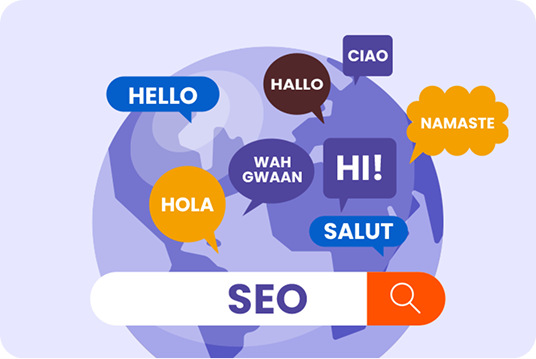
3. Optimize for Voice Search
With millions of daily queries coming from voice assistants, voice search optimization is now mandatory.
Best practices include:
- Writing in natural, conversational language
- Answering questions the way users speak
- Targeting long-form and long-tail keywords
- Structuring content to match voice-search intent
Voice search and featured snippets are deeply connected — over 60% of voice results come from snippet-optimized content.
4. Master Google’s Knowledge Panel
A Google Knowledge Panel boosts authority instantly.
To improve your chances:
- Add structured data (Organization schema)
- Strengthen your brand’s presence on authoritative platforms
- Keep business listings consistent
- Update social profiles
- Build brand searches and entity recognition
Knowledge Panels increase search engine visibility even without clicks.
5. Improve CTR With Strategic SEO
Even in a zero-click world, CTR SEO tactics matter.
To improve click-through rate:
- Use compelling meta titles with emotional or action-based triggers
- Add unique selling points in meta descriptions
- Insert numbers, years, and credibility markers
- Create intent-based content that aligns with search needs
- Ensure your results look better than competitors
Higher CTR signals relevance to Google — boosting your rankings and search traffic.
6. Track Impressions, Not Just Clicks
In a zero-click landscape, impressions are becoming as valuable as clicks.
Why impressions matter:
- They show search engine visibility
- They indicate brand exposure
- They measure how often your business appears during customer research
- They prove authority even without site visits
Use Google Search Console to monitor impression trends across your target keywords.
7. Own the “People Also Ask” Box
Winning PAA answers can dramatically increase visibility.
To optimize:
- Write short Q&A-style content
- Add FAQ sections to pages
- Use FAQ schema
- Target questions your users ask
PAA placements help you occupy multiple SERP positions — with or without the click.
Zero-Click Does NOT Mean Zero Opportunity
Users may not always click, but they’re still seeing your brand.
By optimizing for:
- Featured snippets
- Knowledge Panels
- Voice search
- Rich results
- Schema markup
- People Also Ask
…you can dominate SERPs, increase brand authority, and grow visibility even in a zero-click environment.
The future of SEO belongs to brands that optimize for visibility, not just traffic.
FAQs
1. What is a zero-click search in SEO?
A zero-click search is when users get the answer directly on the search results page without visiting a website. This happens through featured snippets, knowledge panels, PAA boxes, and other SERP features.
2. How can brands stay visible in zero-click search results?
Brands can stay visible by optimizing for featured snippets, implementing schema markup, creating strong FAQ content, improving voice search relevance, and strengthening entity signals for Knowledge Panels.
3. Does zero-click search affect website traffic?
Yes, zero-click searches can reduce click-through rates, but they increase impressions and brand visibility. With the right strategy, businesses can still benefit by dominating SERP features even without the click.
4. What SEO strategies help capture zero-click opportunities?
Using structured data, targeting long-tail questions, improving content formatting, optimizing meta titles and descriptions, and creating concise, answer-focused content are key strategies for capturing zero-click positions.